Sustainable Solutions: Expert Environmental Consulting for Your Business
Eco-friendly approaches form a cornerstone of present-day business landscape. Professional environmental consulting enables organizations the potential to strengthen performance while curtailing their environmental footprint. Through addressing ecological impact and regulatory standards, consultants lead businesses along the path of green initiatives. This progression not only aids the planet but also reflects the priorities of eco-conscious consumers. The journey to sustainability, nevertheless, is intricate and necessitates detailed consideration of various aspects. What steps could businesses implement to commence this change?
Grasping Environmental Professional Services and Its Advantages
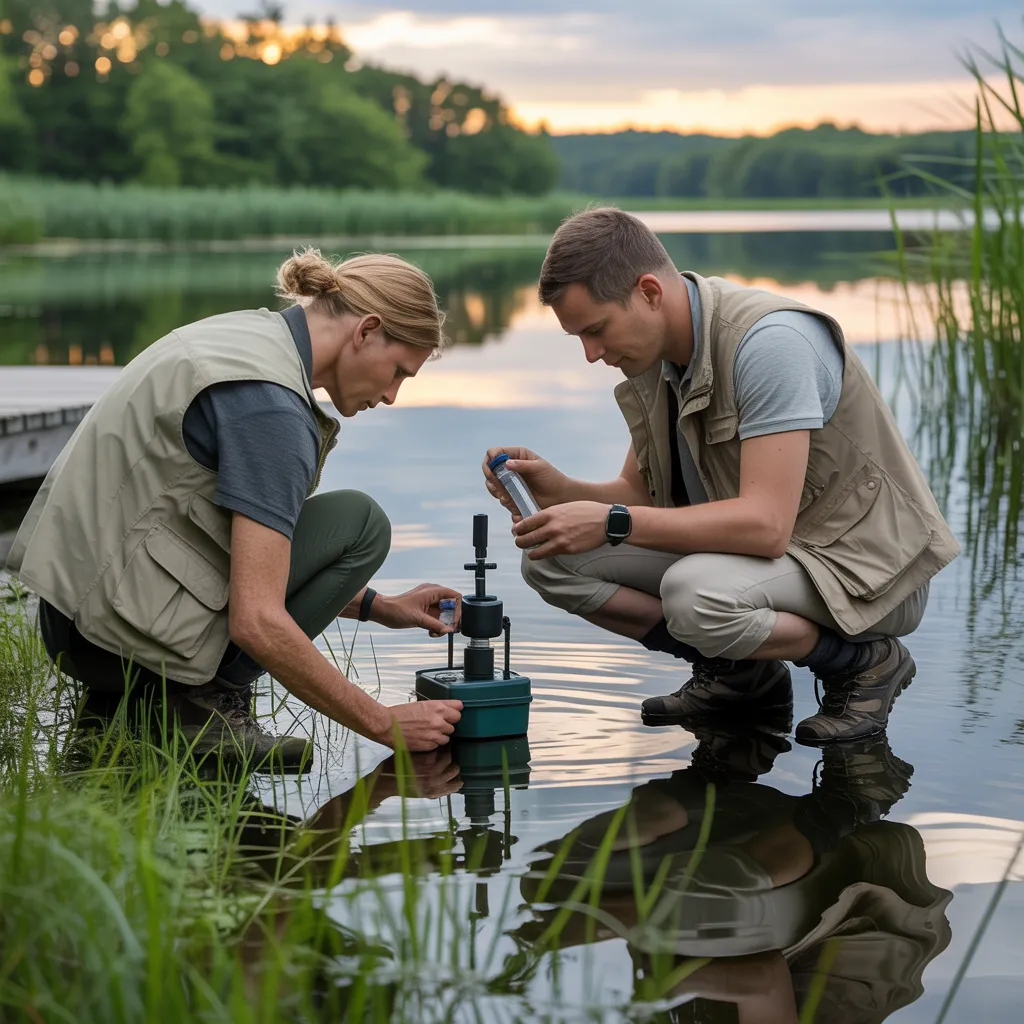
Recognizing green business guidance is necessary for businesses endeavoring to introduce sustainable methods. This branch requires expert direction on environmental regulations, sustainability frameworks, and resource management. Environmental consultants scrutinize a entity's operational scope to spot betterment possibilities, securing observance of environmental regulations and limiting ecological damage.
The advantages of engaging environmental consultants are significant. They provide customized solutions that boost operational performance, reduce waste, and lower costs linked to resource consumption. By assessing potential environmental risks, consultants help businesses address liabilities and enhance public perception. Additionally, the integration of sustainable practices often results in innovation and competitive advantage in the marketplace.
Throughout the long term, collaborating with environmental consultants fosters a culture of sustainability within business entities, encouraging employees to take on environmentally responsible behaviors. Through their expertise, businesses not only contribute to environmental preservation but also position themselves as leaders in corporate accountability, appealing to increasingly environment-focused consumers.
Assessing Your Carbon Footprint
Assessing a business's environmental footprint involves recognizing primary areas of impact and measuring rates of resource use. By reviewing these factors, companies can pinpoint where improvements are necessary. This method not only fosters environmental stewardship but also boosts operational efficiency.
Pinpointing Main Consequence Fields
Many organizations ignore the critical importance of recognizing key impact areas when evaluating their ecological impact. By determining particular elements of their operations that contribute to ecological harm, companies can create targeted strategies for enhancement. These impact areas often encompass power usage, waste production, water use, and emissions. Understanding these elements allows enterprises to rank actions that yield the most substantial environmental benefits. In addition, involving stakeholders in this identification process cultivates a culture of sustainability within the organization. By recognizing and addressing these key critical zones, companies place themselves to enhance their overall sustainability, reduce costs, and meet regulatory requirements. This forward-thinking strategy ultimately promotes long-term ecological and economic viability.
Measuring Asset Consumption Rates
Once primary focus areas are identified, the next step includes measuring resource consumption rates to assess the company's environmental footprint. This procedure requires a systematic approach to gather data on power, liquid, and material consumption across all operations. Utilizing instruments like energy audits, water assessments, and material tracking analysis can provide insights into usage trends. Companies should also consider establishing benchmarks to measure against industry standards or previous results. By analyzing these measurements, businesses can pinpoint inefficiencies and chances to decrease usage. Accurate measurement not only aids in compliance with environmental regulations but also improves corporate sustainability strategies. This data-driven approach is essential for choosing wisely that support lasting ecological objectives.
Vital Areas for Eco-friendly Corporate Approaches
Moreover, entities can allocate funds toward clean energy alternatives, like solar or wind, to diminish dependence on fossil fuels. Staff involvement in sustainability programs nurtures a framework of accountability, fostering originality and commitment to eco-conscious practices. In the end, transparent disclosure about sustainability goals and developments solidifies investor trust and proves accountability. By merging these principal sectors, organizations aid in environmental protection and strengthen their position as innovators in ethical business, winning over green-minded shoppers.
Discovering the Ideal Environmental Consultant for You
Picking an sustainability expert requires a clear understanding of a firm's unique priorities and targets. Evaluating these demands enables enterprises to align with professionals who demonstrate the pertinent skills and track record. This strategic approach assures that businesses make informed choices for sustainable solutions.
Examining Your Firm Needs
When companies recognize the importance of sustainability, they often encounter the difficulty of identifying the right sustainability advisor to meet their specific requirements. This procedure starts with a comprehensive assessment of the organization's environmental goals, regulatory requirements, and existing practices. Businesses should consider their sector background, operational scale, and particular issues, such as garbage disposal or power conservation. Engaging various stakeholders within the business can provide useful information into the priorities and expectations of the advisory relationship. Additionally, it is vital to establish the range of offerings needed, whether it be compliance, strategy development, or education. By explicitly defining these requirements, companies can streamline the selection process and ensure a more effective partnership with their chosen consultant.
Analyzing Consultant Knowledge
How can organizations ensure they choose the right environmental consultant? Assessing consultant proficiency involves several critical elements. Initially, firms should evaluate the consultant's credentials, including relevant certifications, training, and experience in specific environmental sectors. Next, examining previous engagements and customer references offers understanding into the consultant's performance and trustworthiness. Furthermore, comprehending their strategy to sustainability initiatives—whether they stress novel solutions or regulatory adherence—is crucial. People skills also function a notable part; a consultant must effectively relay intricate data to diverse key players. In the end, factor in the consultant's resolve to perpetual education and maintaining awareness on environmental standards and advancements. Via thoroughly analyzing these elements, entities can reach sound decisions and pick a consultant most matched to their unique requirements.
Design Your Bespoke Sustainability Strategy
A expertly crafted sustainability blueprint is able to clearly upgrade a business's environmental impact and functional performance. This method begins with a thorough assessment of the business's current practices, calling out areas where improvements can be made. Major stakeholders should be included in this review to guarantee varied insights are considered.
Subsequently, distinct, quantifiable goals must be created. These goals should align with the broader aims of the organization while addressing environmental challenges such as minimizing waste, operational efficiency, and resource conservation.
Additionally, it is necessary to employ forward-thinking methods aligned with the unique further information challenges of the industry. Connecting with expert environmental consultants can furnish pertinent information into optimal approaches and state-of-the-art solutions.
Finally, a transparent communication strategy can foster a culture of sustainability within the organization, ensuring that all employees understand their roles in achieving these goals. This holistic approach ultimately positions the business as a leader in sustainability.
Deploying Green Methods Efficiently
Effective deployment of sustainable solutions requires a strategic approach that emphasizes transparent goals and direction. Businesses must first set up clear objectives, pinpointing specific sustainability goals aligned with their overall mission. This includes engaging stakeholders, including employees and suppliers, to promote a culture of sustainability throughout the organization.
Next, companies should allocate resources efficiently, ensuring that the necessary technologies, training, and tools are in place to promote sustainable practices. Ongoing communication is essential, as it keeps all stakeholders aware and motivated.
Moreover, incorporating sustainability into existing processes can boost efficiency and minimize opposition to transformation. By piloting initiatives, businesses can assess practicality and refine approaches before full-scale implementation.
Ultimately, a dedicated leadership group, paired with transparent processes and constant engagement, can markedly improve the effectiveness of environmental solutions, yielding sustained advantages for both the entity and the environment.
Monitoring Your Environmental Advancement
What strategies can businesses employ to track their sustainability trajectory efficiently? Firms can implement a variety of resources and metrics to measure their environmental impact and achievements. One common method is the adoption of key performance indicators that center on power consumption, waste reduction, and carbon emissions. By creating well-defined targets, businesses can assess their gains over time.
In addition, digital solutions that monitor resource consumption and emissions can supply up-to-the-minute data, supporting more informed decision-making. Routine sustainability audits also play an essential role, allowing organizations to recognize improvement opportunities and maintain conformity with regulatory requirements.
Engaging interested parties with feedback surveys and input systems can meaningfully deepen the assessment process, nurturing a culture of accountability and continuous improvement. Ultimately, a systematic approach to monitoring ecological advancement empowers businesses to make informed adjustments and demonstrate their commitment to environmental stewardship.
Often Requested Questions
What Is the Typical Cost of Environmental Consulting for Businesses?
Advisory expenses for environmental work provided to businesses typically range between $100 to $300 per hour, contingent upon the firm's knowledge and project scope. Set pricing for projects can also be provided, changing according to the specific requirements and duration.
Which Credentials Must I Look for in an Environmental Consultant?
When selecting an environmental consultant, one should seek out credentials such as Certified Environmental Professional (CEP), ISO 14001, or LEED accreditation, as these demonstrate expertise and commitment to sustainable practices within environmental management.
Do Small Enterprises Reap Benefits From Environmental Consultation Services?
Yes, small business operations can considerably profit from sustainability consulting expertise. These services help optimize resource use, cut down on waste, strengthen compliance with legal requirements, and strengthen sustainability initiatives, eventually providing cost savings and a stronger public image.
How Often Should I Enhance My Sustainability Strategy?
Modifying a environmental strategy should be conducted annually or biannually, influenced by competitive shifts and institutional development. Consistent assessments confirm harmony with evolving regulations, community needs, and technological advancements, supporting continuous improvement and enhanced environmental performance.
Which Business Fields Gain the Greatest Benefits From Environmental Consulting?
Industries such as manufacturing, construction, energy, and agriculture profit greatly from environmental advisory services. These sectors often face compliance obstacles, resource control difficulties, and sustainability targets that need expert guidance to enhance their eco-friendly operations and regulatory conformity.